When people hear vascular surgeon, they often picture open bypasses and long hospital stays. Those operations still matter, but the daily reality in a contemporary vascular surgery center looks different. Much of our work happens through tiny punctures, under ultrasound guidance, with patients walking out the door an hour later. Laser therapy for varicose and spider veins is one of those advances that transformed care, and it fits within a broader toolkit that a board certified vascular surgeon uses to diagnose and treat vein disease, arterial disease, and the gray area between.
I have spent years in the clinic listening to stories that start with restless legs at night and finish with someone finally wearing shorts again. Laser treatment is not a magic wand. It works when thoughtfully chosen for the right vein problem, performed by an experienced vascular surgeon, and paired with smart aftercare. If you are scouting for a vascular surgeon near me to help with leg pain, swelling, or visible veins, it pays to understand how laser fits into the plan, when it does not, and what to expect.
What a vascular surgeon actually does
A vascular and endovascular surgeon is a physician trained to diagnose and treat diseases of arteries and veins throughout the body. In practice, that ranges from carotid artery stenosis and abdominal aortic aneurysm to deep vein thrombosis, chronic venous insufficiency, dialysis access problems, and limb-threatening ulcers. Many hold certifications through the American Board of Surgery with added credentials in vascular surgery, and most have fellowship training. Whether you say vascular doctor, vascular specialist, blood vessel surgeon, vein surgeon, or artery surgeon, you are talking about the same skill set, applied in different corners of the circulatory system.
The modern specialty sits at the intersection of medicine and minimally invasive procedures. We start with a vascular surgeon consultation, review history, examine pulses, and use duplex ultrasound as our stethoscope. From there, treatment spans conservative options such as compression and lifestyle changes to interventions like endovenous laser ablation for varicose veins, sclerotherapy for spider veins, angioplasty and stent placement for peripheral artery disease, atherectomy to debulk plaque, bypass surgery when needed, and wound care for stubborn leg ulcers. In emergencies, a 24 hour vascular surgeon can handle a ruptured aneurysm or an acute blood clot, but the goal for most patients is to solve problems before they escalate.
Why veins fail and when laser is useful
Varicose veins and spider veins do not appear overnight. In many legs, the culprit is valve failure in the great saphenous vein or its branches. Those valves are designed to keep blood moving upward toward the heart. vascular surgeon OH When they fail, blood pools, pressure rises, and the vein stretches, twists, and shows up under the skin. Symptoms can be subtle: heavy legs in the afternoon, ankle swelling by evening, itching along a ropey vein, or cramps that disturb sleep. Over years, the cycle of high pressure and inflammation can break the skin’s barrier and cause venous eczema or ulcers.
Endovenous laser ablation treats the underlying leaky trunk vein. It replaces vein stripping, an older operation that required incisions and general anesthesia. With laser ablation, a vascular and endovascular surgeon inserts a fiber into the diseased vein under ultrasound, numbs the surrounding tissue with tumescent fluid, then activates the laser while slowly withdrawing the fiber. The heat collapses the vein wall. The body reroutes blood through healthier veins, and the treated segment seals off and is absorbed over time.
Laser works best when the anatomy is favorable: a sufficiently straight vein segment, not too close to the skin, with documented reflux on ultrasound. It is highly effective for the great and small saphenous veins and many accessory branches. For clusters of superficial spider veins, sclerotherapy or surface laser tends to be better than endovenous laser. If your main problem is deep vein thrombosis or arterial claudication, other tools are more appropriate. A thorough duplex ultrasound and a discussion with an experienced vascular surgeon guide the choice.
A clinic day: how the process unfolds
Most patients find us after a referral from a primary care physician, a podiatrist, or a dermatologist, or they search for a vascular surgery specialist near me when swelling and bulging veins become hard to ignore. At the first visit, we map symptoms to anatomy. A vascular surgeon appointment usually includes a standing venous reflux ultrasound, which lets us watch valves in action. We measure vein diameters, locate perforators that contribute to skin changes, and document how long it takes for blood to reflux after a squeeze. Those seconds matter, and they steer decisions.
If endovenous laser ablation is the best path, we review details, answer questions about recovery, and check insurance. Many plans cover laser treatment when there is documented venous insufficiency with pain, swelling, skin changes, or ulcers, especially after a trial of compression stockings. Plans differ, and a vascular surgeon patient portal often streamlines preauthorization and scheduling. We flag medications that thin blood, allergy history for local anesthetics, and prior vein procedures.
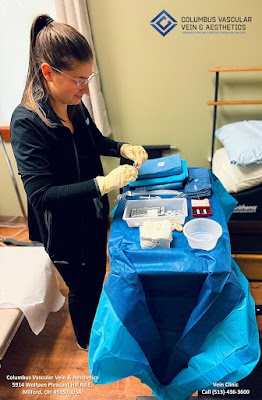
On procedure day, patients walk into a vascular surgeon clinic in regular clothes, eat breakfast, and plan to be back at work the next day. The operating suite looks more like an ultrasound room than an OR. A nurse reviews the checklist, we mark the target vein, and we repeat a quick scan. After prepping the leg, we access the vein through a small puncture under ultrasound guidance, slide in the laser fiber, and bathe the vein in numbing fluid. The tumescent anesthesia creates a safe space around the vein, absorbs heat, and provides lasting comfort. The laser run itself usually takes a few minutes. Total time in the room is often under an hour. A compression stocking goes on before the patient stands.
I like to walk with patients immediately. That gentle movement keeps blood flowing and reduces the chance of soreness. People drive themselves home unless we also perform sedating procedures, which is rare. We ask for a 20 to 30 minute walk that afternoon and a few short walks the next day. Most bruising fades in a week or two. The treated vein can feel like a thin cord for a couple of weeks, a normal sign of healing.
Expected results and how we measure success
The numbers are one reason laser took over from vein stripping. Endovenous laser ablation closes the target vein in roughly 90 to 98 percent of cases at one year in published studies. In the office, we judge success not just by ultrasound but by the patient’s story. Heavy legs that feel lighter by week two. Ankle swelling that no longer leaves sock marks. Night cramps that no longer wake someone at 2 a.m. Visible varicose branches soften over several weeks, though sometimes we schedule a touch-up procedure like ambulatory phlebectomy or foam sclerotherapy to address residual tributaries.
Durability matters. A properly closed trunk vein rarely reopens. Recurrence tends to come from new reflux in nearby branches or progression of the underlying tendency toward venous insufficiency. Genetics, pregnancies, standing occupations, weight, and time all contribute. We schedule a follow-up ultrasound four to six weeks after treatment, then as needed. Many patients do very well with a single session on one or both legs. Others with advanced disease and skin changes benefit from a staged plan that includes perforator treatment, wound care, and compression.
Laser versus other options
Patients often ask whether laser is better than radiofrequency ablation. Functionally, both technologies heat and close diseased veins with excellent outcomes. Device choice depends on surgeon preference, vein size, tortuosity, proximity to nerves, and equipment in the vascular surgeon hospital or clinic. Radiofrequency uses thermal energy too, just via a different mechanism. Foam sclerotherapy is another tool, especially useful for tortuous branches, recurrent veins after prior surgery, and perforator veins. Surface laser targets fine spider veins and small telangiectasias in selected skin types, often in combination with sclerotherapy.
There is also a place for glue closure devices and mechanochemical ablation. These can avoid tumescent anesthesia, which some find attractive, though they have their own trade-offs, such as rare allergic reactions or higher cost and variable insurance coverage. A minimally invasive vascular surgeon weighs all of this with you. A balanced plan often blends methods: laser for the main refluxing trunk, phlebectomy for bulging tributaries, sclerotherapy for cosmetic spider veins.
Who should not have laser ablation
Not every patient is a candidate on a given day. An acute DVT in the target limb is a reason to defer. Significant arterial disease with poor inflow may require a vascular surgeon for PAD intervention first, since compression and ablation rely on adequate arterial supply for wound healing. Pregnancy is a time to wait. Serious mobility limitations or an inability to wear compression stockings can make the postoperative course more complicated, and we plan accordingly. Infections over the access site need to clear before proceeding. If an ultrasound shows that the target vein courses right under very thin skin, we might opt for a different technique to reduce the risk of skin burns.
Those decisions are part of the benefit of seeing a vascular surgeon versus a purely cosmetic vein clinic. We think in terms of circulation as a whole. A patient with diabetic foot ulcers needs more than spider vein treatment; they might need arterial imaging, angioplasty, and a limb salvage strategy to prevent amputation. Someone with carotid disease and leg symptoms may need staging and prioritization. An interventional vascular surgeon carries that breadth into every plan.
Safety, comfort, and recovery details patients care about
Most people rate discomfort during laser treatment as mild. The numbing fluid does the heavy lifting, and we add oral pain medication if needed. Afterward, soreness feels like a bruise along the treated vein for a few days. Over-the-counter anti-inflammatories help. We ask patients to wear a thigh- or knee-high compression stocking for one to two weeks, depending on how extensive the treatment was. Walking is encouraged. High-intensity workouts, heavy lifting, and hot tubs can wait a week or two.
Complications are uncommon but not zero. A few patients develop superficial phlebitis, a tender reddened cord under the skin that responds to anti-inflammatories, compression, and walking. Nerve irritation can cause small areas of numbness, usually temporary. Deep vein thrombosis occurs in a small fraction of cases, more likely in very large veins, extended ablation segments, or those with clotting disorders. We minimize this risk by encouraging early ambulation, sometimes using blood thinners in higher-risk patients, and doing a short surveillance ultrasound after the procedure. Skin burns are rare with proper technique and adequate tumescent anesthesia.
A practical tip: drink water the day before and the day of treatment, since hydration helps with access and comfort. Bring your compression stockings to the appointment. Plan your first post-procedure walk around your neighborhood, not on a treadmill, which can encourage overstriding.
Cost, coverage, and value
Cost questions are fair. A vascular surgeon covered by insurance will typically work through preauthorization for endovenous laser ablation when medical necessity is documented. Plans often require a trial period of compression stockings and conservative care. Cosmetic-only treatments, like surface laser for tiny spider veins without symptoms, are frequently out of pocket. Prices vary by region and practice. In my area, a medically necessary laser ablation billed through insurance may have a copay or coinsurance in the low hundreds for many patients, whereas a purely cosmetic sclerotherapy session might be a flat fee. Ask the office to itemize expected charges, and expect transparent answers. Many vascular surgeon clinics offer payment plans.
There is also the cost of not treating: missed work due to leg pain, recurrent cellulitis from skin breakdown, and the slow toll of impaired mobility. When I see a senior avoiding walks because of swollen, heavy legs, the calculus tilts toward fixing the vein problem so they can keep moving and maintain independence.
Real cases, real decisions
A teacher in her forties came in after years of standing at the front of a classroom. By lunch, her left ankle swelled and the bulging vein along her thigh ached. Ultrasound showed great saphenous reflux with a 7 mm vein diameter and 2.8 seconds of backward flow. We scheduled endovenous laser ablation on a Friday morning. She wore compression for ten days, walked daily, and returned for small phlebectomies a month later. By spring, she was walking her dog after school instead of elevating her legs. Her follow-up scan showed durable closure, and she stopped wearing daily compression.
Another patient, a retired mechanic in his seventies with diabetes, presented for spider veins. A quick look at his ankles told a different story: hyperpigmentation, atrophie blanche scars, and a healed ulcer. He also had absent pedal pulses. We paused the cosmetic conversation. An arterial study confirmed significant inflow disease. He underwent angioplasty and stent placement to improve blood flow first, then a measured plan for his venous insufficiency. Treating the arteries before closing veins avoided worsening his ulcer risk. That is where an endovascular specialist’s wide view matters.
A third case involved a runner with calf cramping and visible veins. Ultrasound revealed no reflux in the saphenous system, but a small posterior perforator fed a tender cluster. Sclerotherapy solved the pain without a laser. The cleanest plans are not always the fanciest.
Choosing the right expert and setting
If you are trying to find a vascular surgeon, a few markers predict a good experience. Board certification signals formal training and ongoing education. A fellowship trained vascular surgeon who performs a high volume of venous procedures tends to have refined technique. Look for a vascular surgeon with good reviews that comment on communication and follow-through, not just bedside manner. A practice that offers a vascular surgeon telemedicine visit for initial questions can save time, though the ultrasound will eventually require an in-person exam. For busy schedules, some clinics offer vascular surgeon same day appointments or weekend hours; ask if Saturday slots exist.
In a hospital setting, a vascular surgeon hospital team can handle the full spectrum, from outpatient laser to emergency vascular surgeon coverage for acute events. Private practices often offer more scheduling flexibility and a familiar team. Either model works when the people are skilled and the ultrasound techs are experienced. If you want a second set of eyes, request a vascular surgeon second opinion. Most of us welcome it.
Find more infoFor families asking about a pediatric vascular surgeon, the calculus changes, and specialized centers should be involved. For seniors and those managing diabetes, we adjust plans with an eye on healing and limb salvage. A vascular surgeon for elderly patients brings patience and a low-risk bias, favoring staged, minimally invasive work when possible.
Laser within the broader vascular care landscape
It is easy to focus on the visible vein when it is the part you see daily. A vascular surgeon’s job is to look upstream and downstream. Leg pain can stem from venous insufficiency, arterial claudication, nerve issues, joint problems, or a mix. When to see a vascular surgeon? If you have varicose veins with symptoms, nonhealing wounds, skin color changes near the ankles, calf pain with walking that improves with rest, sudden leg swelling, or a history of blood clots, make the call. For DVT, a vascular surgeon deep vein thrombosis plan may include anticoagulation, catheter-directed thrombolysis in select cases, and strategies to prevent post-thrombotic syndrome. For carotid artery disease and aortic aneurysm, proactive surveillance saves lives.
Laser treatment sits comfortably in this wider ecosystem. It is one of the most predictable, gratifying procedures we do, with a short runway and a big impact on daily comfort. It also pairs well with the other tools on the bench: phlebectomy, sclerotherapy, radiofrequency ablation, and compression therapies. The skill lies in the mix.
A straightforward path to getting started
If you are considering laser treatment, here is a brief roadmap you can use to organize the process.
- Schedule a vascular surgeon consultation and ask for a standing venous reflux ultrasound to map the problem precisely. Bring a list of symptoms, prior procedures, and medications, including any blood thinners, and note what improves or worsens your leg discomfort. Ask about the full plan, not just laser: whether tributary phlebectomies or sclerotherapy are anticipated, and how many stages to expect. Clarify insurance coverage, compression stocking requirements, and the day-by-day recovery steps so you can plan work and activities. Set a follow-up ultrasound date and know who to call if you notice significant swelling, severe pain, or new shortness of breath.
Common questions patients raise
How much downtime should I expect? Most people return to desk work the next day. If your job involves heavy lifting, aim for a few days off or light duty. Walking is encouraged immediately.
Will the veins come back? The treated trunk vein should not reopen. New varicosities can form over time if there is a genetic predisposition, future pregnancies, or occupation-related strain. Periodic check-ins help catch and treat small issues early.
Is laser better than stripping? For most patients, yes. Laser reduces pain, bruising, and recovery time and can be done under local anesthesia. It has become the standard of care for saphenous reflux in many practices.
Can I exercise? Yes, with moderation for a week. Walk daily. Avoid high-impact workouts and heavy leg days for 7 to 14 days depending on the extent of treatment.
What about spider veins on my ankles? Those are often best handled with sclerotherapy or surface laser, usually after the main refluxing trunks are addressed, otherwise they tend to recur.
Will insurance cover it? If there is documented venous insufficiency with symptoms and failed conservative therapy, many plans cover endovenous ablation. Purely cosmetic spider vein treatment is usually self-pay. Ask your vascular surgeon clinic to verify benefits.
Is it safe if I have had blood clots? Possibly, but the plan is individualized. We review clot history, current medications, ultrasound findings, and may coordinate with hematology. Sometimes we use peri-procedural anticoagulation or choose staged treatments.
Final thoughts from the clinic
Good vein care is practical and personal. The best vascular surgeon is the one who listens carefully, explains clearly, and tailors treatment to your anatomy, goals, and life rhythm. Laser ablation is an elegant solution for a common problem, but it is not the only tool. In the right hands, it becomes part of a durable fix that allows you to walk farther, sleep better, and stop planning outfits around your legs.
If you are browsing for a top rated vascular surgeon near me or a vascular surgery specialist near me, use credentialing and conversation as your compass. Ask how many endovenous procedures they perform each month. Ask who performs the ultrasound and whether a registered vascular technologist will map your veins. Ask about outcomes and what they do when things do not go as planned. Look for a practice that offers a patient portal, clear pre and post procedure instructions, and straightforward access for questions.
A final, pragmatic note. Whether you choose a local vascular surgeon in private practice or a vascular surgeon medical center, pick a team that feels steady. Technique matters. So does follow-up. Most of us trained to manage the whole spectrum, from routine spider veins to complex limb salvage. With that breadth comes judgment, and judgment is what keeps modern vein care grounded, humane, and effective.